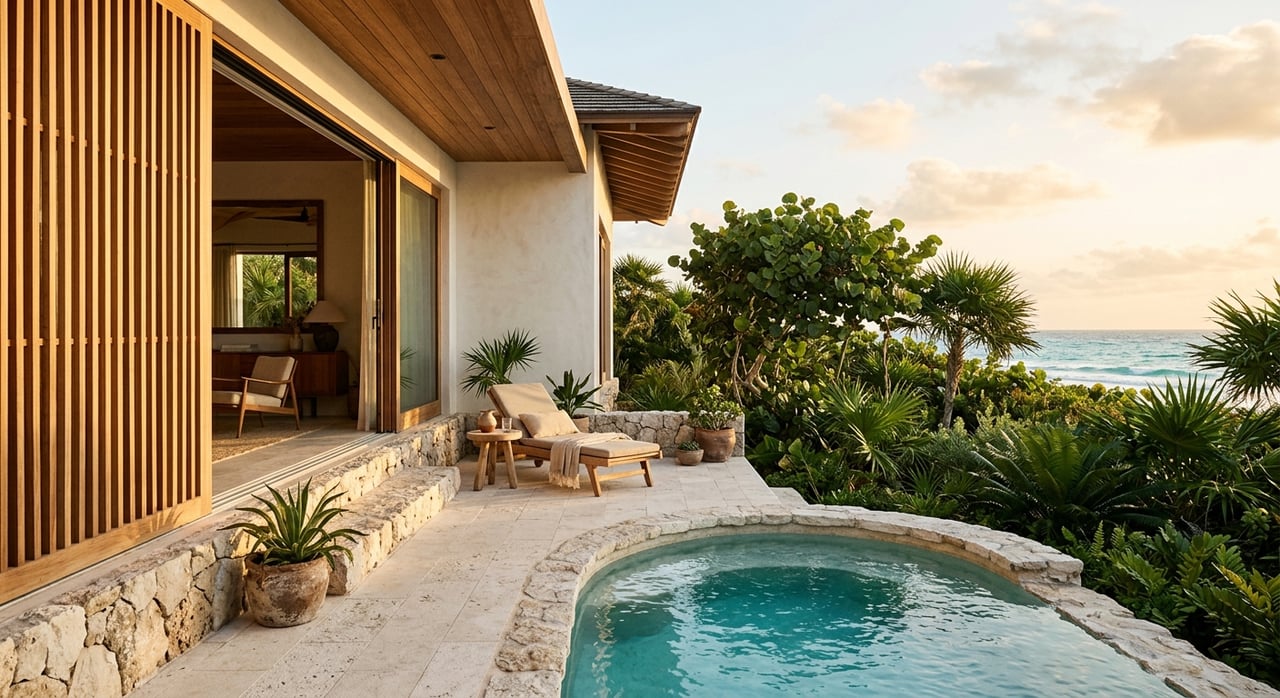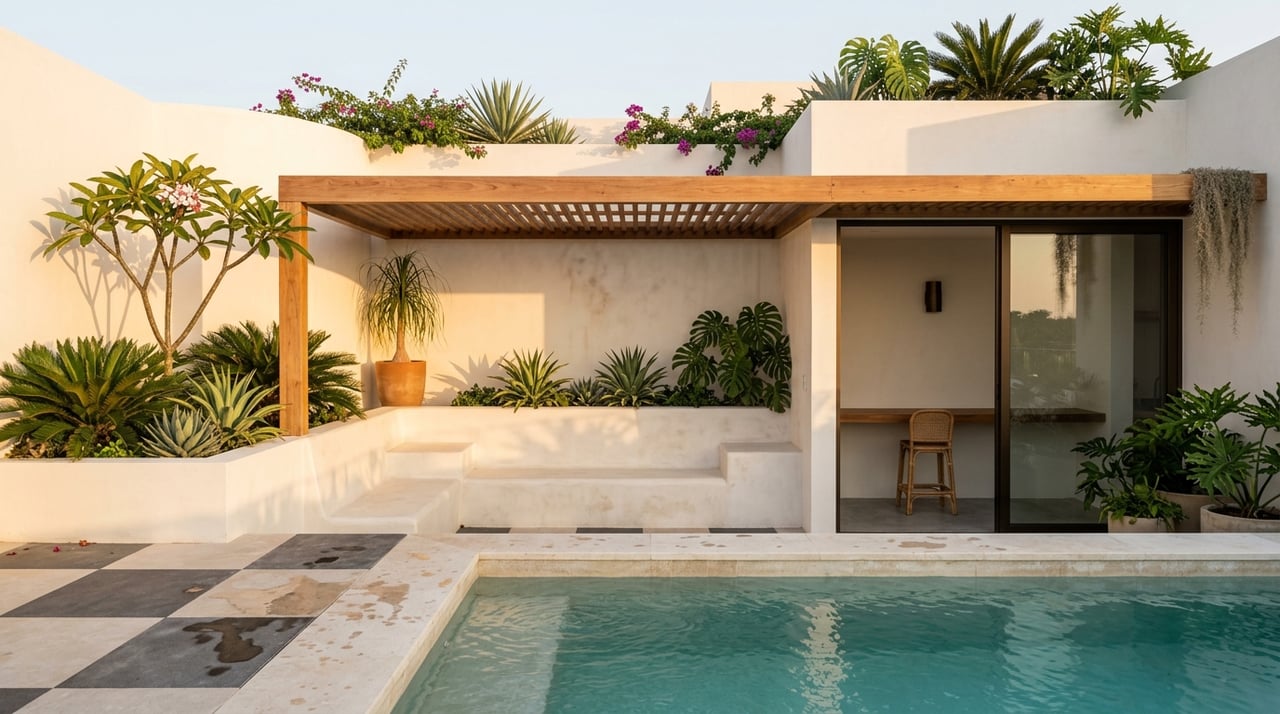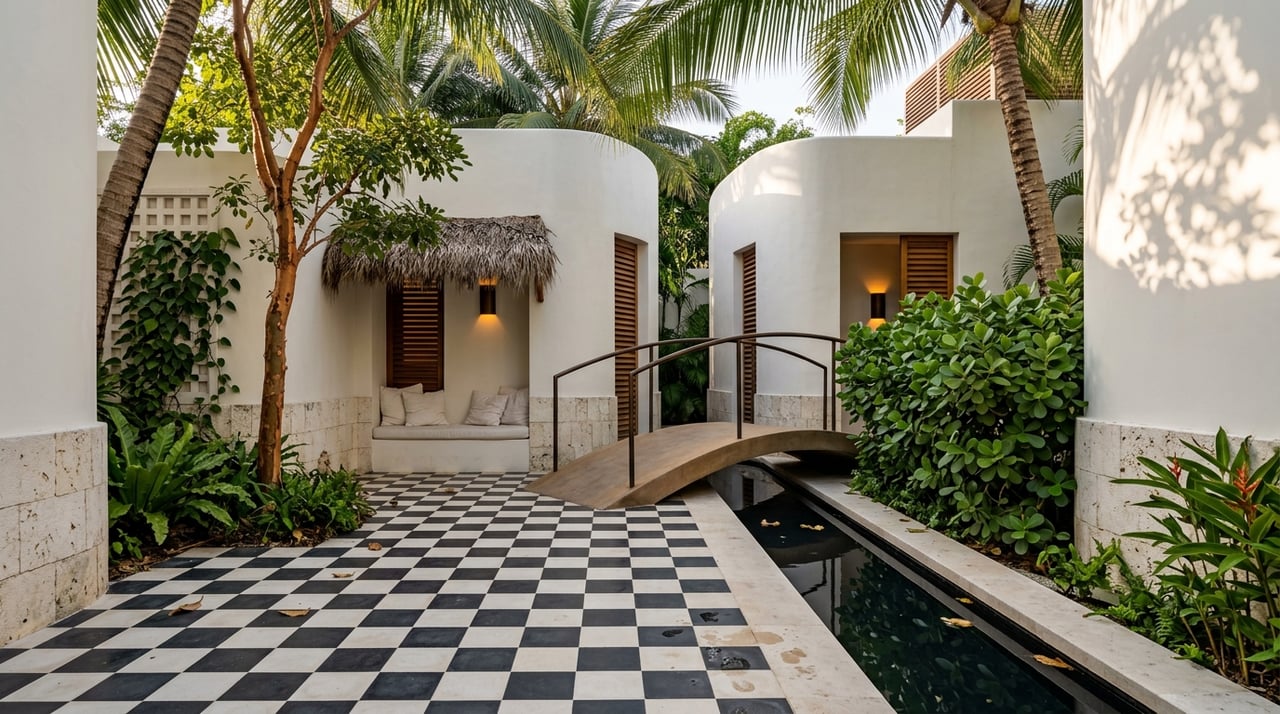
If you are looking at boutique hotel opportunities in Tulum’s Hotel Zone, you are probably asking a bigger question than just what is for sale. You want to know whether this market still has room for a well-positioned hospitality asset, what makes a property stand out, and how to think about risk before you commit capital. The good news is that Tulum’s Hotel Zone continues to benefit from strong tourism demand, broader international access, and a premium travel profile that fits boutique hospitality especially well. Let’s dive in.
Why Tulum’s Hotel Zone Stands Out
Tulum’s Hotel Zone sits inside a broader tourism market that has continued to grow in both visibility and accessibility. Official state planning documents placed Tulum’s hotel inventory at 10,981 rooms in the 2022 baseline, which shows that this is already a meaningful hospitality destination rather than an early-stage niche market. At the same time, the area still carries a distinct identity built around beachfront access, design, wellness, and experience-led travel.
Access has improved in a way that matters for both hotel operations and resale potential. According to Quintana Roo state reporting, the new Tulum airport surpassed 1,074,000 passengers in its first year and later exceeded 2.06 million passengers by mid-2025, with connectivity through 11 airlines and 15 destinations across Mexico, the United States, Canada, South America, and Europe. That wider route network can support a broader guest base today and a larger buyer pool in the future, as noted in the state planning and tourism data and state airport updates.
Why Boutique Hotels Fit Tulum
Tulum is not just selling rooms. It is selling a point of view.
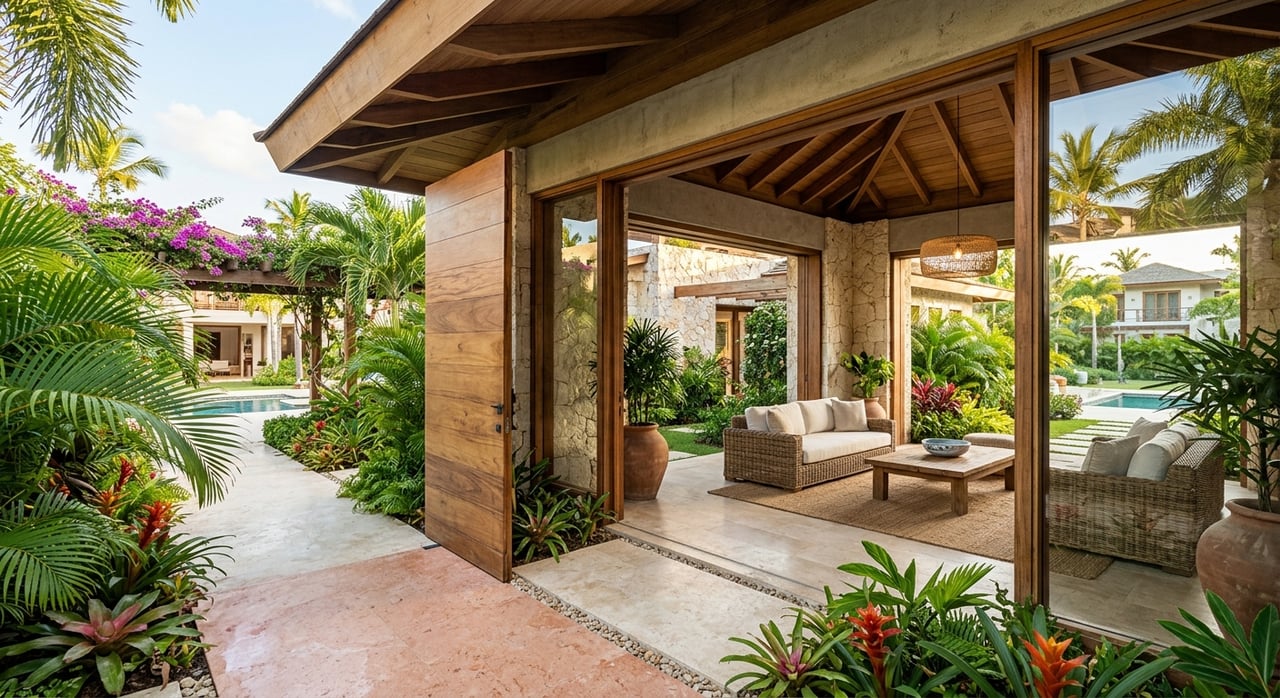
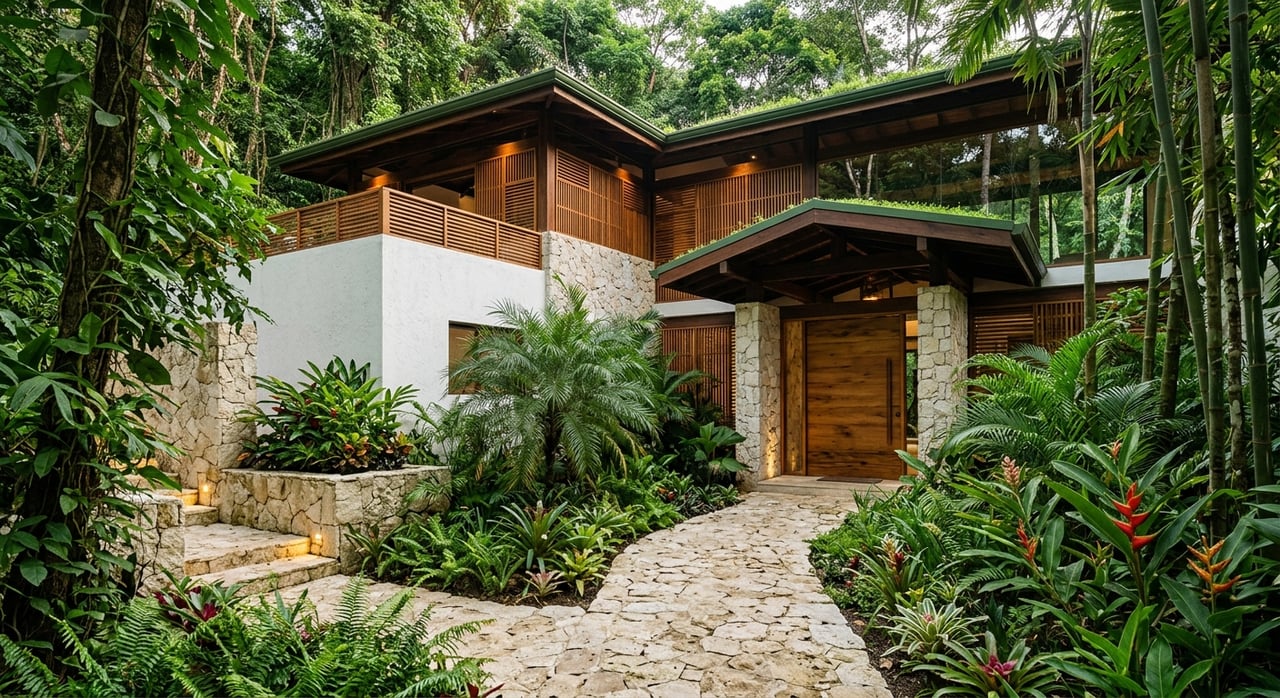
Horwath HTL describes Tulum as a destination shaped by wellness, sustainability, and experiential travel, which is a natural fit for smaller hospitality concepts with a strong identity. In markets like this, value is often driven by concept and positioning as much as by room count, which is why boutique hotels, villa-hotels, and design-led beachfront assets can compete well when the guest experience is clear and distinctive.
That also helps explain why boutique hospitality in Tulum tends to reward thoughtful curation. According to Horwath’s Tulum feasibility study, underwriting should look at occupancy, guest profile, amenities, and concept together rather than relying on one headline number. For you as a buyer, that means the right asset is not always the largest one. Often, it is the one with the clearest story.
Demand Trends Supporting Investment
The national backdrop is also supportive. Horwath HTL reports that in 2024, tourism contributed 8.6% of Mexico’s GDP, supported nearly 4.94 million jobs, and included 27 million tourist arrivals, with 22.3 million air arrivals and 63.4% coming from the U.S. The same report notes that luxury hotels grew by 2.2% and that the development pipeline is heavily concentrated in luxury and upscale projects, with Cancun and Tulum among the standout destinations.
For buyers considering Tulum’s Hotel Zone, this matters because it places boutique hotels within a larger premium-leisure trend instead of treating them as an isolated local play. You can review that broader context in Horwath HTL’s Mexico Hotel Market 2024 report. In simple terms, Tulum is benefiting from both destination demand and a wider investor preference for premium hospitality assets.
What Performance Data Tells You
Occupancy data gives a useful, if incomplete, view of the market. Official Quintana Roo data show that Tulum’s hotel occupancy reached 77.5% in Q2 2024, compared with 77.4% in the same period of 2023. By July 2025, however, occupancy was reported at 62.8%, down from 67.9% in July 2024.
That pattern confirms two things at once. First, Tulum continues to show strong demand in key periods. Second, seasonality is real, and summer softness should be part of your underwriting. The official economic bulletin supports a practical takeaway: you should validate revenue assumptions with careful comp-set and operator-level analysis rather than rely on one marketwide ADR figure, since a consistent public ADR series for Tulum is not provided there.
Best Boutique Hotel Plays
Not every opportunity in the Hotel Zone looks the same. In practice, most boutique hotel opportunities fall into two broad categories.
Reposition Existing Assets
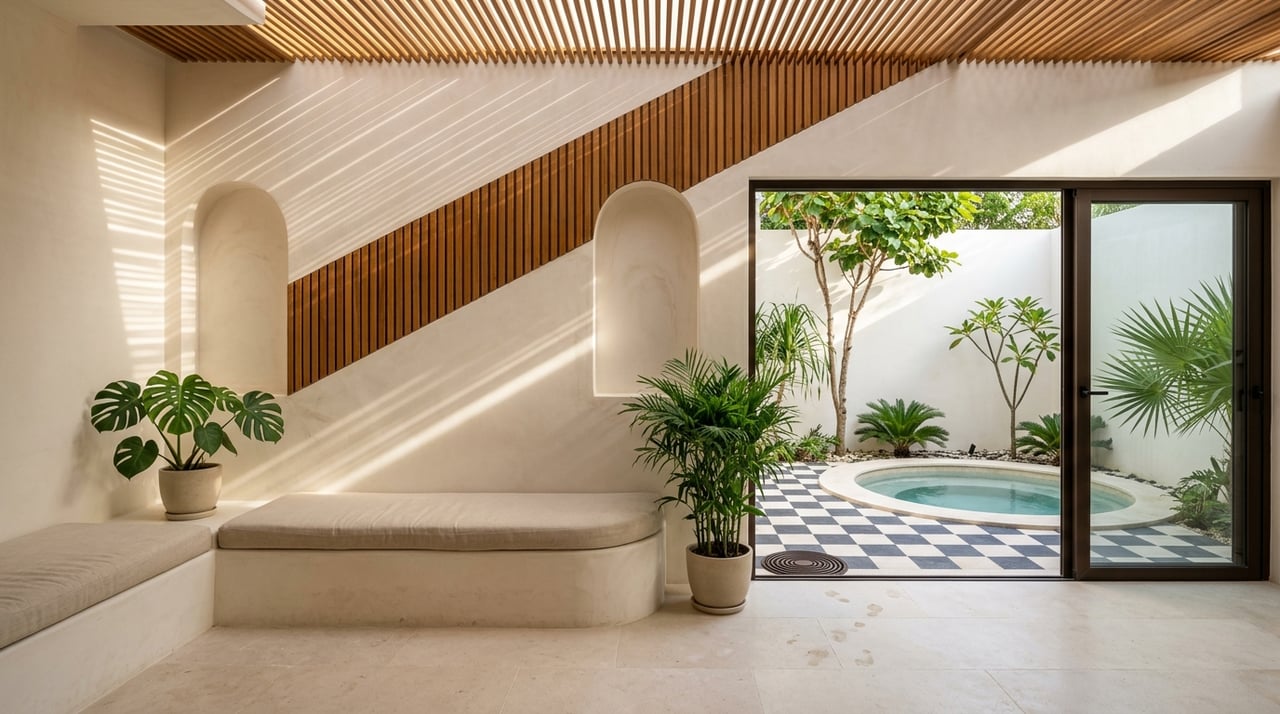
A smaller hotel, villa-hotel, or beachfront property may offer upside if you can improve design, wellness programming, food and beverage, or guest experiences. Horwath specifically recommends eco-friendly materials, wellness programming, and distinctive dining or recreation experiences for Tulum-oriented concepts. That makes repositioning especially interesting when the physical asset already has location appeal but needs a clearer brand story.
For many buyers, this route can create a faster path to market than a ground-up development. You are not just buying real estate. You are buying a platform that may be improved through concept refinement, operations, and presentation.
New-Build or Hybrid Concepts
Tulum has also attracted branded and hybrid hotel-residence projects, which supports the case for development feasibility and future exit flexibility. Recent examples cited in the research include Hilton Tulum Riviera Maya, Mondrian Hotel & Residences Tulum, and Moxy Tulum, all of which point to continued confidence in the destination from recognized hospitality players.
That does not mean every site will support a branded project. It does suggest that differentiated concepts with a strong location and operating strategy can find traction here. For a buyer evaluating land or a redevelopment site in the Hotel Zone, that is an important signal.
What Makes a Hotel Zone Asset Competitive
In Tulum’s Hotel Zone, a boutique asset usually performs best when several pieces align:
- Micro-location with clear beach or hospitality access
- A distinct concept that matches Tulum’s design-forward, experience-led demand
- Wellness or lifestyle programming that feels authentic to the destination
- Memorable food and beverage rather than generic amenities
- Operational efficiency that supports seasonality and margin management
- Resale positioning that appeals to both investors and lifestyle buyers
This is one reason boutique hotels remain selective rather than mass-market. Horwath HTL notes there are only 32 certified boutique properties nationally, while luxury and upscale categories dominate the construction pipeline. Scarcity can support appeal, but it also means weak concepts are easier to spot.
Due Diligence Matters More Here
In coastal Tulum, due diligence is not a box to check at the end. It is part of the investment thesis from the start.
Environmental and access review should happen early, especially for properties near protected land or regulated coastal areas. UNESCO identifies Sian Ka’an as the largest protected area in the Mexican Caribbean and notes that development regulations are stricter there than outside the reserve. You can review that framework through UNESCO’s Sian Ka’an overview.
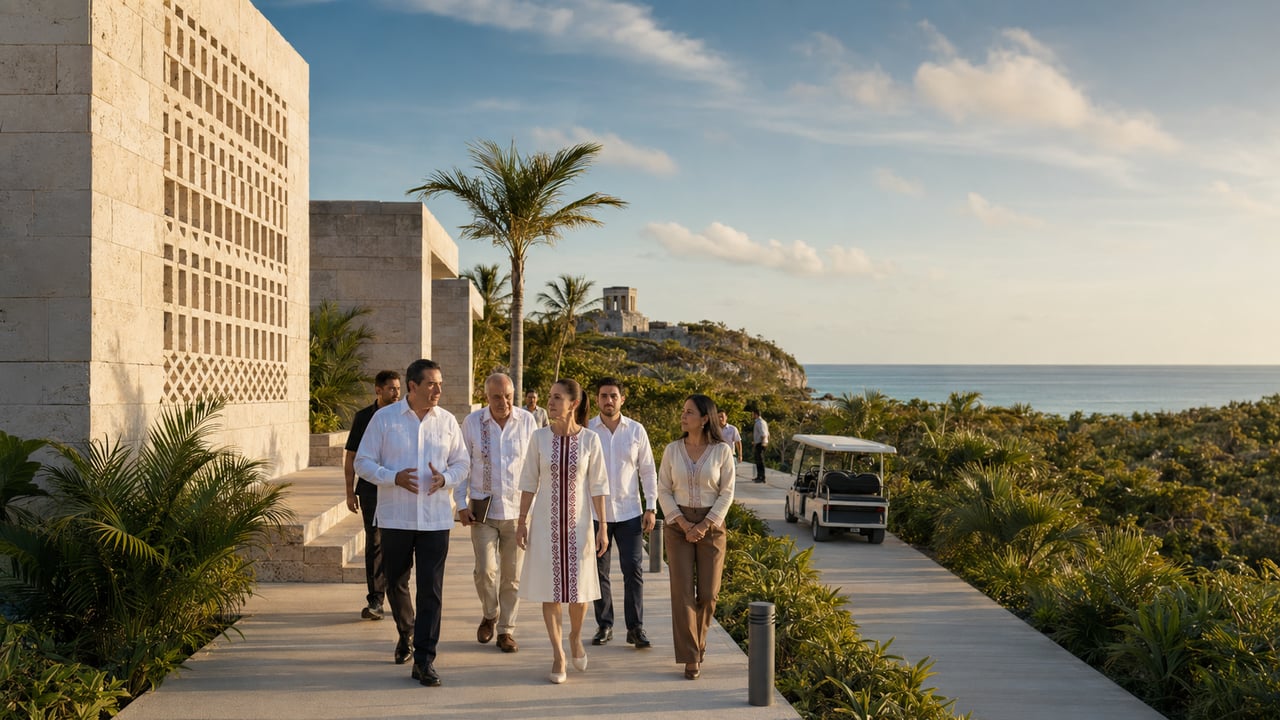
Operational access also deserves attention. INAH materials for Parque del Jaguar indicate that access to the beach and archaeological zone is now managed through formal hours and controls. For you, the practical lesson is clear: verify title, access, environmental authorization, and adjacency issues before you underwrite future performance too aggressively.
Think About Exit Early
One of the strongest cases for a Tulum Hotel Zone hotel investment is exit optionality. A well-positioned boutique asset can be marketed to more than one type of buyer.
An operational buyer may focus on cash flow, occupancy, concept strength, and management upside. A lifestyle buyer may place higher value on scarcity, design, beach access, and the prestige of owning a hospitality asset in a globally recognized destination. Tulum’s expanding air access strengthens both angles by making the market easier to reach and easier to sell internationally.
This global audience matters in practice. For a cross-border or high-value asset, broad distribution and discreet outreach can both be important. That is where a brokerage with local execution and international reach can make a difference, especially when the audience includes private investors, family offices, hospitality groups, and lifestyle buyers.
Who These Opportunities Suit Best
Boutique hotel opportunities in Tulum’s Hotel Zone are usually best suited to buyers who can think beyond a simple cap-rate snapshot. The strongest fit often includes:
- Investors seeking a premium-leisure asset with a clear concept angle
- Lifestyle buyers who also value operational potential
- Family offices or hospitality groups looking for scarcity and branding upside
- Developers evaluating repositioning, mixed-use, or hotel-residence strategies
If your goal is to own a hospitality asset that combines location scarcity, design value, and cross-border resale appeal, Tulum’s Hotel Zone can be compelling. The key is to approach it with realistic seasonality assumptions, disciplined diligence, and a concept that fits the market.
How to Approach the Search
If you are exploring boutique hotel opportunities here, start by narrowing your criteria before you tour properties. Focus on asset type, beach or access profile, concept fit, and whether you prefer repositioning or development. Then pressure-test each option against demand, seasonality, approvals, and exit strategy.
That process is where experienced guidance matters. With local market knowledge, bilingual support, and global exposure for both on-market and discreet opportunities, E&V Tulum can help you evaluate boutique hotel assets in the Hotel Zone with more clarity and confidence.
FAQs
What makes boutique hotel opportunities in Tulum’s Hotel Zone attractive?
- Boutique hotel opportunities in Tulum’s Hotel Zone benefit from beachfront scarcity, strong international tourism demand, improved airport access, and a travel profile centered on wellness, design, and experience-led stays.
What occupancy trends should buyers review for Tulum hotel investments?
- Buyers should note that official Quintana Roo data showed Tulum occupancy at 77.5% in Q2 2024, while July 2025 occupancy came in at 62.8%, highlighting both solid demand and meaningful seasonality.
What types of boutique hospitality assets are common in Tulum’s Hotel Zone?
- Common opportunities include small hotels, villa-hotels, beachfront repositioning plays, and new-build or hybrid hotel-residence concepts with a strong lifestyle or wellness angle.
What due diligence is important for Hotel Zone real estate in Tulum?
- Key diligence items include title, beach and roadway access, environmental authorization, adjacency to protected land, and any operational rules that may affect guest access or future use.
Who typically buys boutique hotels in Tulum’s Hotel Zone?
- Likely buyers include high-net-worth individuals, family offices, hotel operators, branded developers, and lifestyle buyers looking for a hospitality asset with both personal appeal and resale potential.