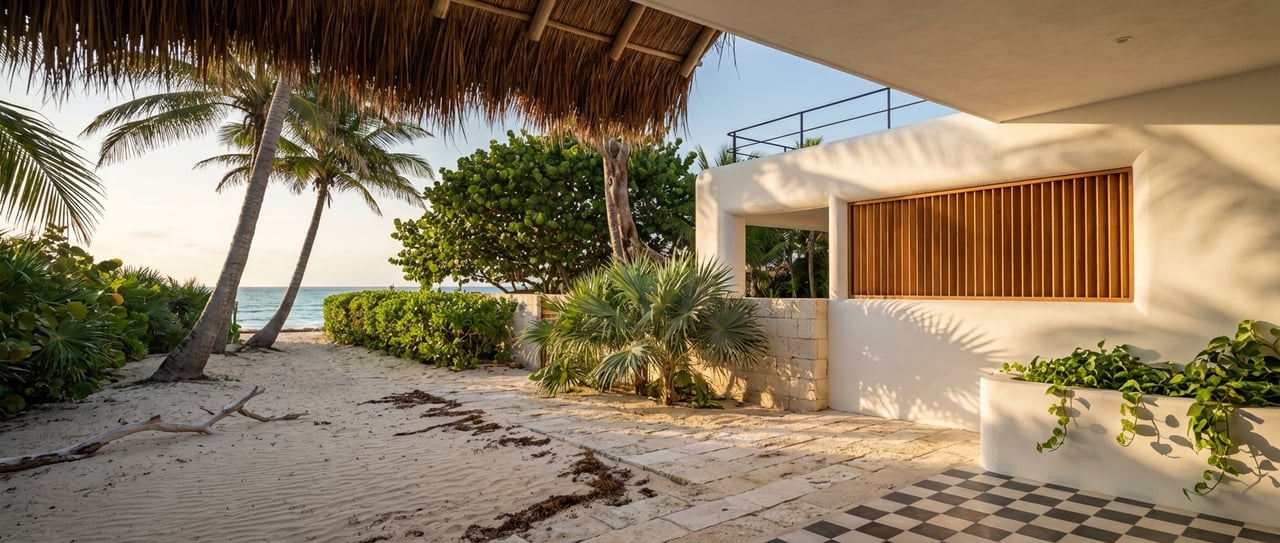
Waking up to the sound of waves and barefoot walks to your morning espresso is more than a daydream on Tulum’s Hotel Zone beaches. If you love design-forward spaces, ocean breezes, and a lively beach-club scene, this narrow coastal strip may be exactly what you want. At the same time, beachfront living brings unique rules, seasonality, and added costs. In this guide, you’ll learn how life on the sand really works, what to expect as a buyer, and how to decide if the Hotel Zone fits your plans. Let’s dive in.
Hotel Zone at a glance
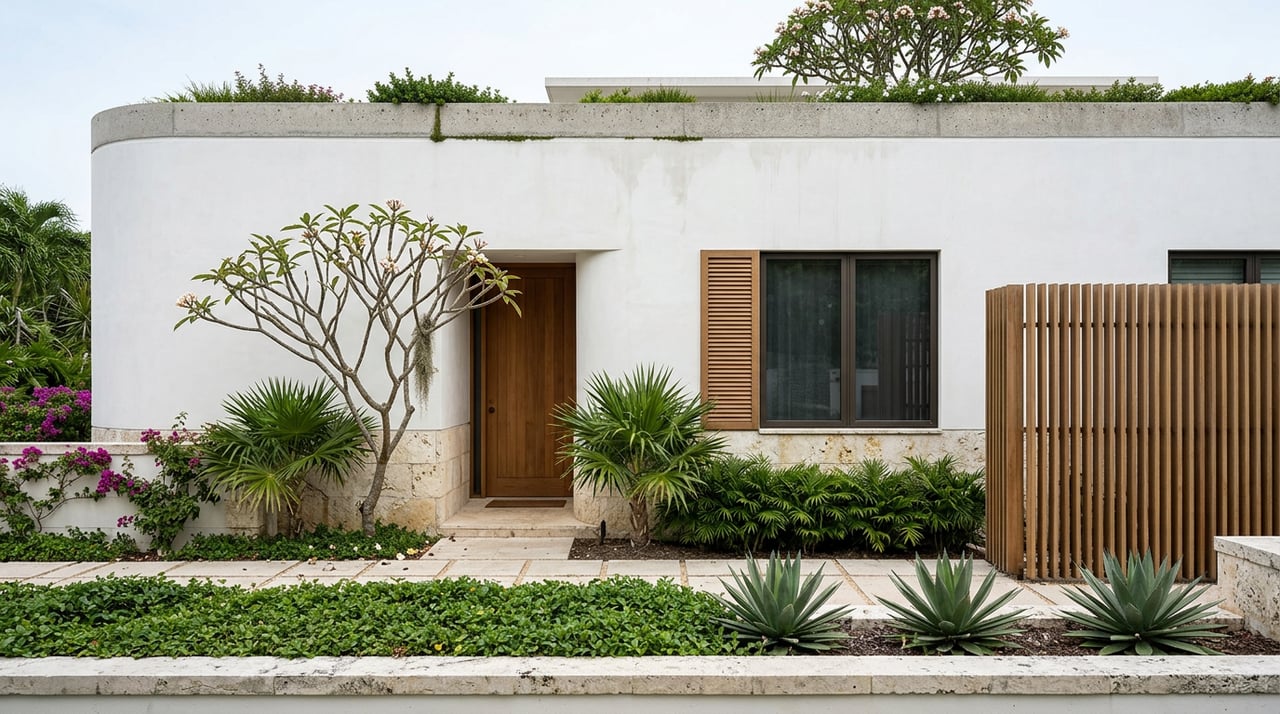
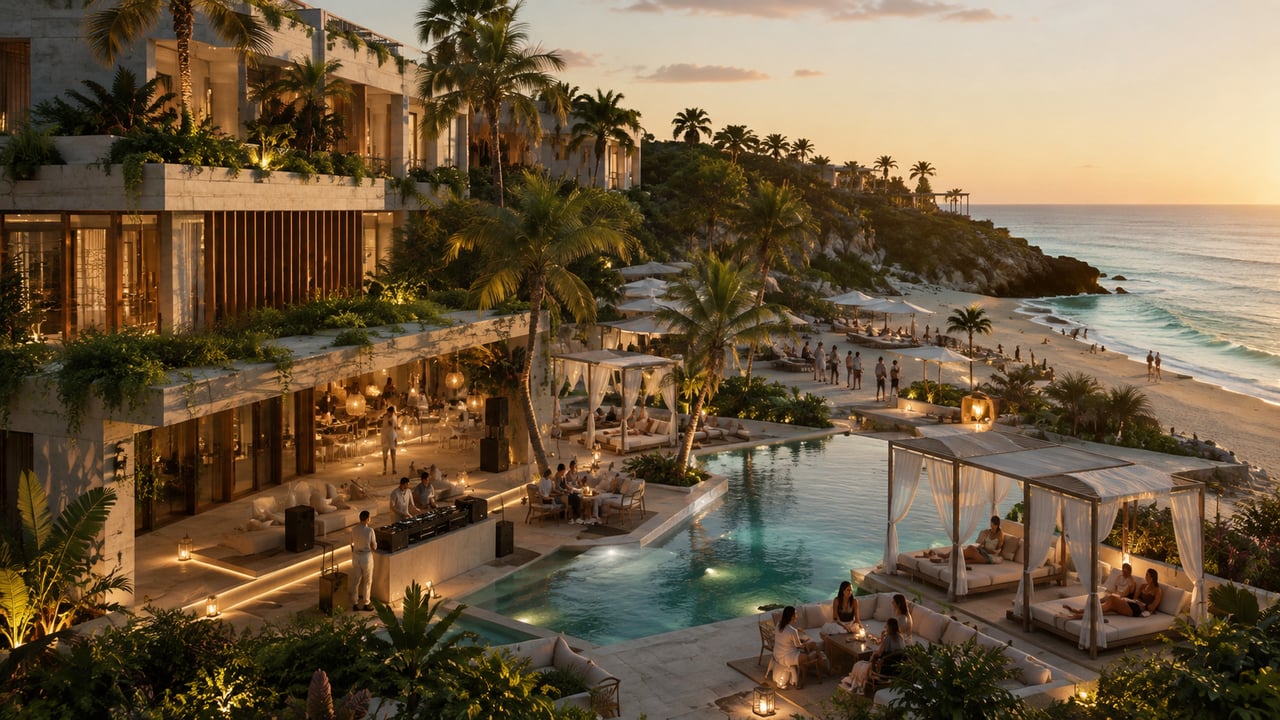
The Hotel Zone is the beachfront stretch east of Tulum town, following the main beach road along the Caribbean. You’ll find boutique resorts, beach clubs, and low-rise architecture that blends palapa, wood, and stone. Expect direct beach access and a laid-back, eco-chic vibe, along with limited parking and narrow roads. For a feel of the area’s style and scale, explore this overview of Tulum’s beachfront boutique properties from the Michelin Guide’s travel editors (boutique beach hotels and mini-resorts).
Daily life on the sand
Beachfront living in Tulum is simple and outdoorsy. You can walk to sunrise swims, lunch at a beach club, and dinner at a casual, design-led restaurant. The tradeoff is that services and space are more limited than in town, so plan for walking, biking, or using drivers.
Beach access and public shoreline rules
Mexico protects the federal maritime-terrestrial zone, known as ZOFEMAT. This public beach strip is typically 20 meters from the high-tide line, and operators cannot lawfully block access. Private clubs may manage seating and services, but the public band remains open to everyone. Review Mexico’s official guidance to understand how ZOFEMAT works and why “direct beachfront” does not mean private sand (public beach-zone overview).
Seasonality, hurricanes and sargassum
Tulum is in the Atlantic hurricane basin. The season runs June 1 to November 30, with activity often peaking August through October. Owners should plan for property prep, insurance, and flexible travel during these months (hurricane season basics).
Sargassum, a floating brown seaweed, can come ashore in late spring and summer. Some years are light and others are heavy, and it can affect beach use and rental calendars. NOAA tracks the phenomenon across the Caribbean, so check conditions if your plans center on summer beach time (sargassum outlook context).
Getting there and getting around
You now have two airport options. Tulum International Airport opened in late 2023, placing arrivals closer to the beach area. Cancún International remains a major gateway, with a typical 1.5 to 2 hour drive to Tulum depending on traffic and exact destinations. Read about the Tulum airport’s opening and location to plan your route (airport overview).
Utilities, water and wastewater
Infrastructure has been catching up with fast growth. Some properties rely on onsite wastewater solutions, and the region’s porous limestone geology makes proper treatment essential. Before you buy, confirm how a specific property handles water and wastewater, whether there is a connection to a treatment plant, and what standards are used. Scientific studies have documented the importance of adequate treatment to protect groundwater and nearshore waters (regional wastewater risk study).
Property types on the beach
Beachfront inventory is limited and varied. You’ll see:
- Boutique hotel compounds with multiple keys and shared amenities.
- Low-rise beachfront condos and penthouses in small buildings.
- Freestanding villas with private pools and strong indoor-outdoor space.
- A few individual beachfront lots subject to strict environmental rules.
The area favors design, outdoor living, and access to beach clubs rather than tall towers. For a sense of the boutique scale that defines the coastline, browse this curated take on Tulum’s beachfront stays (Tulum beachfront boutique properties).
Which format fits your goals
- Boutique hotels and small resorts suit owners who want hospitality income and are ready for permitting, staffing, and professional management.
- Beachfront condos fit second-home buyers who want shared maintenance and optional rental management.
- Villas appeal to privacy seekers who plan longer stays and will take on more hands-on maintenance and hurricane prep.
Foreign buyers and coastal ownership
Tulum’s beachfront lies within Mexico’s restricted zone for foreign ownership. Foreigners commonly buy residential property via a bank trust known as a fideicomiso. The trust lets you hold beneficiary rights while a Mexican bank serves as trustee, and it is a well established path for coastal purchases. The constitutional framework is published by the federal government (foreign ownership framework reference).
To set up a fideicomiso, you apply for a permit through the Secretaría de Relaciones Exteriores, pay a one-time permit fee, and then pay an annual bank administration fee. Exact costs vary by institution and property value. You can review current permit guidance directly from SRE (SRE permit costs and timelines).
Costs to plan for
Buying on the beach comes with added transaction and operating costs. Plan your budget early so you can compare beachfront options with inland neighborhoods.
Closing costs and taxes
All-in closing costs in Quintana Roo often range around 5 to 12 percent of the purchase price. This band can include taxes, notary and registry charges, trust setup, and legal fees. The municipal acquisition tax is commonly about 2 percent, though total costs vary by appraisal basis and deal structure. For context on fee components and planning ranges in Mexico, review this market guidance for buyers and owners (Mexico cost considerations).
HOA fees and operations
Monthly condo or HOA fees for beachfront buildings often land in the USD hundreds per month, with higher figures in luxury, full-service settings. Always confirm what is covered, such as water treatment, beach maintenance, staff, insurance, and reserve funds. For villas, factor in pool and landscape care, storm prep, and more frequent exterior maintenance due to salt and wind.
Insurance and storm preparation
Hurricane season planning is part of beachfront ownership. Ask about windstorm coverage and deductibles, shutter systems, elevation, and drainage. Create a seasonal checklist so your property manager or caretaker can secure the home whenever a storm threat arises.
Short-term rentals and compliance
Short-term rentals are a significant income stream in Tulum, but you must register and comply with local rules. Many hosts register as tourist service providers through the federal Registro Nacional de Turismo and observe municipal policies on noise, occupancy, and waste. Rules can change, so confirm the current process before projecting income (RNT registration overview).
Protected areas and building limits
Two environmental frameworks shape life on the beach. First, ZOFEMAT protects the public beach strip and limits any seaward expansion of structures. Second, the Sian Ka’an Biosphere Reserve lies south of the Hotel Zone and carries strong conservation protections. Development near protected zones faces extra scrutiny, so due diligence on land use and environmental compliance is essential (Sian Ka’an background).
Quick buyer checklists
Use these short lists to move from inspiration to action with confidence.
Pre-purchase due diligence
- Verify title, land-use permissions, and ZOFEMAT boundaries on survey.
- Confirm wastewater treatment solution and utility connections in writing.
- Ask for HOA budgets, reserve funds, and what services are included.
- Clarify whether a fideicomiso or a corporate structure is required and review SRE permit steps.
Arrival and season planning
- Note hurricane season dates and review your property’s storm plan.
- Check sargassum outlooks if planning late spring or summer beach time.
- Arrange airport transfers and, if driving, ask about parking or valet solutions.
Rental readiness
- Review RNT registration and local rental rules before hosting.
- Set house rules for noise and events aligned with municipal policy.
- Confirm insurance coverage for guest stays and liability.
Is the Hotel Zone right for you
Choose the Hotel Zone if you value immediate sand access, design-led spaces, and a social beach lifestyle. Expect higher purchase and operating costs than inland areas, plus seasonal considerations like hurricanes and sargassum. If those tradeoffs fit your goals, the payoff is daily life where the Caribbean is your front yard.
Ready to explore beachfront options with a trusted, bilingual advisor and clear cross-border guidance? Connect with E&V Tulum to start your Tulum search and chat with a Private Office advisor on WhatsApp.
FAQs
Can foreigners own beachfront homes in Tulum’s Hotel Zone
- Yes, most foreign buyers use a bank trust called a fideicomiso, which requires a federal permit and annual trustee administration.
Are Tulum’s Hotel Zone beaches private or public
- The public shoreline strip, usually 20 meters from the high-tide line, must remain accessible under Mexico’s ZOFEMAT rules.
When is hurricane season in Tulum and how should I prepare
- Hurricane season runs June 1 to November 30, so plan insurance, shutters, and a storm checklist with your manager before summer.
How does sargassum affect beach life and rentals
- Seasonal sargassum can limit swimming and impact guest experience, so monitor outlooks and plan flexible calendars in late spring and summer.
What closing costs should I expect when buying on the beach
- Plan for roughly 5 to 12 percent of the price to cover taxes, notary, trust setup, and legal fees, with exact totals based on the transaction.
What utilities and services should I confirm before buying
- Confirm water, power, and especially wastewater treatment details, plus HOA coverage or villa maintenance plans and reserve funds.