Trying to make sense of Tulum Centro condo floor plans? You are not alone. Studios, mezzanine lofts and lock‑offs can look similar at first glance, but they live and perform very differently. In this guide, you will learn how each layout works, typical size ranges and features in Centro buildings, and how to match a plan to your goals and budget. Let’s dive in.
Tulum Centro condo types explained
Studios in Centro
A studio, often called monoambiente, is a single open space for sleeping, living and cooking, with a separate bathroom and sometimes a small balcony. In Tulum Centro, most studios measure about 25–45 m². Expect a kitchenette or compact full kitchen, split A/C, tile or polished concrete floors, shower‑only baths and basic built‑ins.
Studios often come furnished and ready for short‑term rental programs. Buildings that include studios commonly offer a rooftop pool, communal lounge or coworking, a shared laundry room and on‑site property management.
One and two‑bedroom apartments
Traditional 1–2 bedroom condos give you enclosed sleeping rooms separated from the living, dining and kitchen areas. Typical sizes run about 45–70 m² for a 1‑bedroom and about 70–110 m² for a 2‑bedroom. Many include balconies, a full kitchen and built‑in wardrobes. Larger 2‑bedroom plans may add a second bathroom and larger terraces.
Finishes often step up with these plans. You will see stone counters, more storage and sometimes in‑unit laundry or hookups. Sound separation is usually better than a studio, which matters in a downtown setting.
Mezzanine lofts
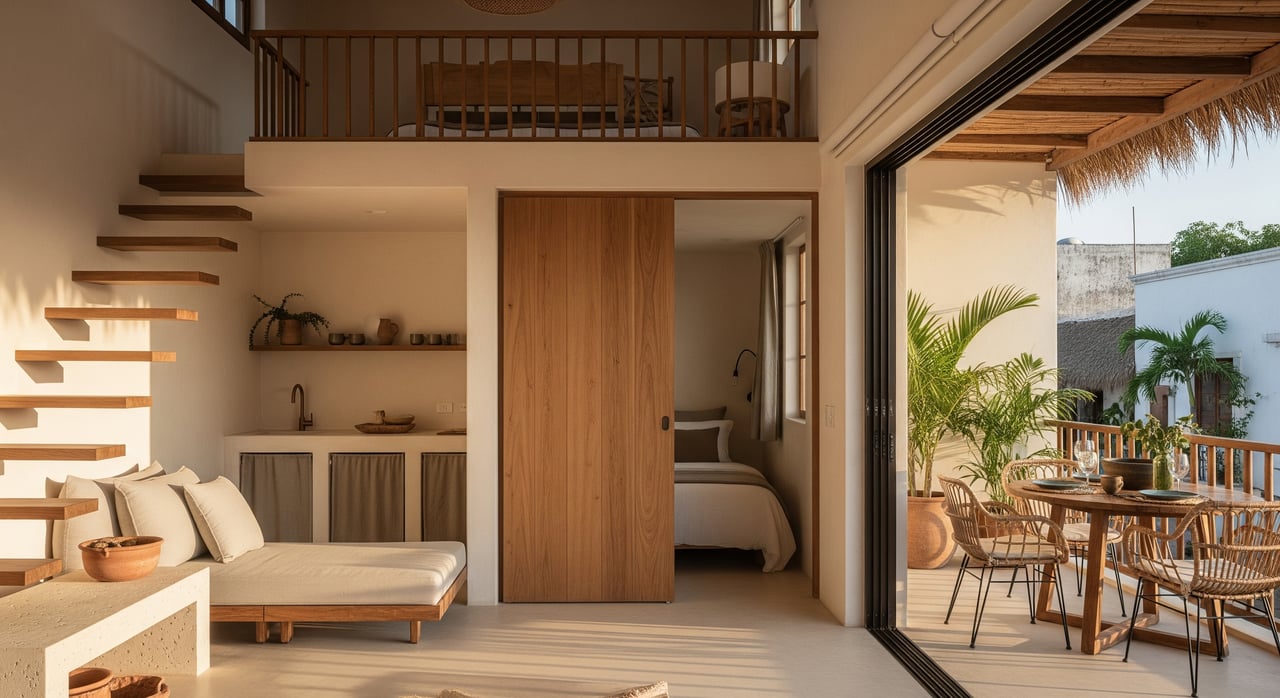
A mezzanine or loft has an open sleeping platform raised above the main living area. It is not an enclosed bedroom. Most Centro loft footprints measure about 35–65 m², with an additional 8–20 m² of lofted sleeping area included in the total. To work well, these layouts need higher ceilings, usually 3.5–4.0 m or more, to keep headroom and fit stairs or a ladder.
Lofts appeal to buyers who value design, volume and visual drama. They photograph well for rental listings and feel larger than their footprint. Keep in mind that the sleeping area is open, so privacy and thermal separation are limited. Verify stair safety, railing height and egress with local code requirements before you commit.
Lock‑off units
A lock‑off is a flexible plan designed to split into two independent modules for rental use. Think of a 1‑bedroom plus an adjoining studio that you can rent together or separately. Combined areas in Tulum Centro typically range about 45–100+ m², with each split module often 20–60 m².
Look for separate entrances or a secure internal door, two bathrooms or one full plus a half, and two kitchens or kitchenettes. HVAC and meters are often shared but configurable. Lock‑offs suit investors who want to occupy one side and rent the other, or maximize revenue by renting both. Before you buy, confirm the HOA rules and municipal permissions that govern short‑term rentals for both portions of the unit.
Who each layout fits
Studio: budget‑friendly and rental‑ready
Studios suit singles, digital nomads and investors who want a lower entry price and steady short‑term demand. The pros include a simpler furnishing plan, lower HOA fees and strong occupancy potential. The trade‑offs are limited storage, less privacy and a smaller resale pool for households that need separate bedrooms.
1‑bedroom: comfort and flexibility for two
A 1‑bedroom works well for couples or remote workers who want a separate sleeping room and a living area that feels livable for longer stays. You gain privacy and broader resale appeal compared with a studio. Space is still modest, and HOA fees per square meter may be similar to larger units, so compare carefully.
2‑bedroom: room for guests or family
If you plan to host, travel as a small family or mix personal use with rental income, a 2‑bedroom gives you flexibility. You can market to vacation groups or long‑term tenants and capture higher per‑booking revenue. Purchase price and monthly fees are higher, and 2‑bedroom inventory is less common in boutique Centro buildings than in the tourist zones.
Mezzanine loft: design‑forward living
Choose a loft if you prize high ceilings, a unique look and strong lifestyle marketing appeal. These units photograph beautifully and feel larger than their footprint. Consider that the open sleeping area reduces privacy, can be warmer because heat rises and may not be ideal for children or anyone with mobility concerns.
Lock‑off: maximize rental options
Lock‑offs serve investors who want the ability to run two rentals from one title, or live in one section while the other earns income. You can diversify your booking mix and hedge slow periods. Operations are more complex, and some HOAs or zones limit short‑term rentals, so permission checks are essential.
Ownership, HOA and rental rules in Centro
Foreign ownership basics
Tulum sits within Mexico’s coastal restricted zone. Most foreign buyers use a bank trust, known as a fideicomiso, with a Mexican bank holding title as trustee for your benefit. You retain the right to occupy, lease, sell and bequeath the property. Some buyers form a Mexican corporation for certain property types. Work with a qualified Mexican notary public and a bilingual real estate attorney who handle Quintana Roo transactions.
Condominium bylaws to review
Condominiums in Quintana Roo operate under state law and each building’s bylaws. Before you buy, ask for the full reglamento and acta constitutiva. Review policies on short‑term rentals, pets and guest stays, and confirm how the fee schedule works and what common maintenance covers. Ask for reserve fund details, special assessment history and minutes from recent meetings to see how the HOA is managed.
Short‑term rentals and zoning
Tulum is a tourism market, and many Centro condos operate as vacation rentals. Rules are municipal and can evolve. Confirm permitted land use for your unit’s location, and whether rental activity requires registrations or permits. Verify current status with the Ayuntamiento and your HOA to avoid surprises, especially if you plan to rent both sides of a lock‑off.
Taxes, fees and ongoing costs
Budget for closing costs such as notary and registration fees, local acquisition or transfer taxes and fideicomiso setup if applicable. Ongoing costs include annual property tax, HOA dues, utilities, insurance and the trust’s annual fee for the fideicomiso. If you earn rental income, you must declare it in Mexico. Nonresident owners have specific tax obligations and withholding rules, so consult a cross‑border‑savvy accountant.
Building quality and tropical durability
Materials and systems that matter
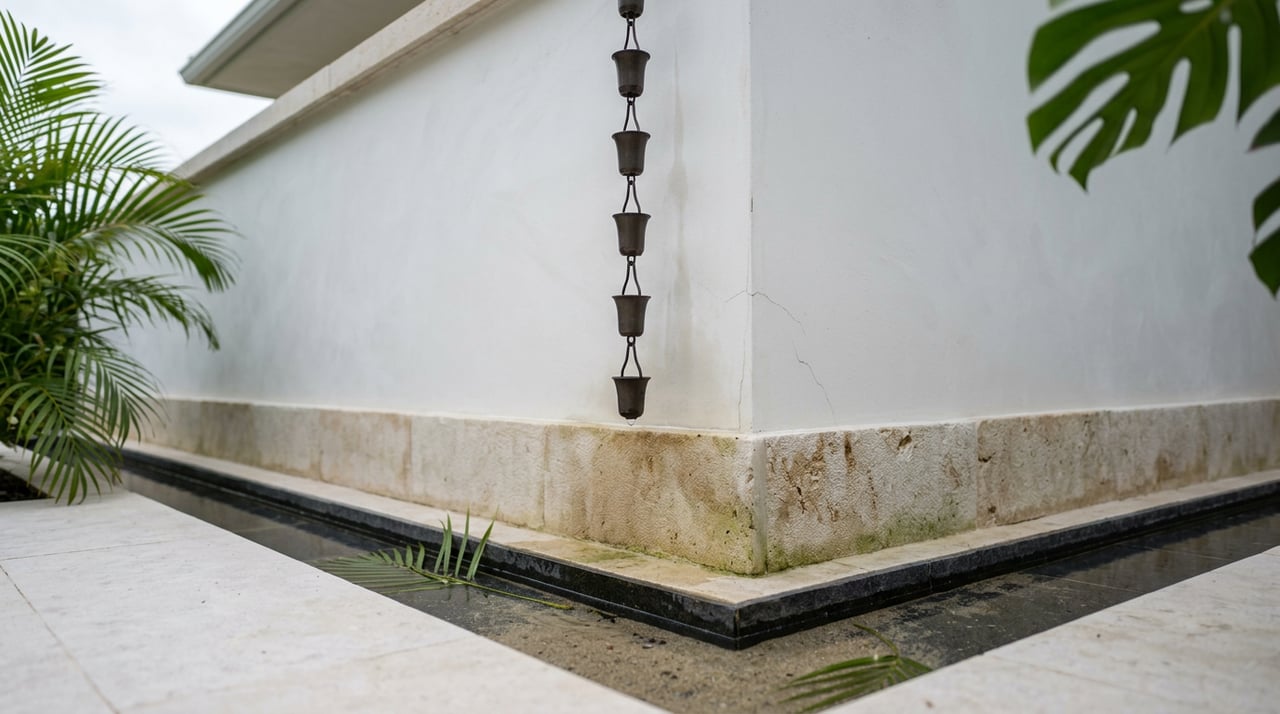
Tulum’s climate brings humidity, coastal salt air and a hurricane season. Look for corrosion‑resistant materials, solid waterproofing on terraces and proper drainage. Check window and door glazing and sealing to keep out moisture and noise, which is important in a downtown environment. In low‑rise buildings, confirm elevator service where applicable and whether there is backup power for critical systems such as pumps and A/C.
Mezzanine and safety checklist
Lofted plans need ceiling heights of about 3.5–4.0 m to function well. Confirm that stairs or ladders meet safety considerations, railings are sturdy and egress is clear. Ask the developer or seller how the mezzanine was approved and built, and request documentation that shows compliance.
Operations for investors
If you plan to rent, many Centro buildings have on‑site managers or connect you with local rental firms. Units marketed for vacation rentals are often sold furnished. Confirm the furniture inventory and condition. Ask how utilities are metered and billed, especially in lock‑offs with shared systems. For coverage, verify condo insurance options that address storm risks and third‑party liability.
How to pick the right floor plan
Start with purpose and privacy. Define whether this will be a primary home, a full‑time rental or a hybrid, and how often you will host guests. From there, weigh space needs, storage and noise management for a downtown setting. Then compare unit sizes to actual furniture plans so you see how the space will live.
Key selection factors to weigh
- Intended use: primary, rental or hybrid.
- Occupancy and privacy needs.
- Budget and financing, including monthly HOA.
- Short‑term rental viability and permitting.
- Resale appeal in the Centro buyer pool.
- Accessibility needs and elevator access.
- Noise control and ventilation strategy.
- Maintenance and humidity resilience.
Quick due diligence checklist
- Confirm legal title and whether a fideicomiso is required.
- Obtain full condominium bylaws and recent minutes for rental rules and assessments.
- Verify permitted land use for short‑term rentals if income is a goal.
- Compare measured m² to saleable m² and request furnished floor plans with bed sizes and circulation.
- Check ceiling heights and stair safety for mezzanines.
- Inspect soundproofing, A/C capacity and ventilation for the tropical climate.
- Ask for utility metering details, average HOA fees and what they cover.
- Confirm on‑site management or recommended property managers; request a sample P&L for similar rentals.
- Review developer track record, promised completion dates and warranty terms.
A simple space planning example
- A 35 m² mezzanine loft can often fit a queen bed on the lofted platform, with a compact kitchen, a small dining table and a sofa on the main level.
- Use sliding doors and built‑ins to maximize circulation.
- Aim for furniture that elevates photo appeal if short‑term rental is part of your plan.
Work with a trusted local advisor
Choosing between a studio, loft, 1–2 bedroom or a lock‑off in Tulum Centro comes down to fit, finish and the rules that govern use. You will move faster and avoid pitfalls with a bilingual team that understands cross‑border closings, HOA bylaws and rental operations.
If you want a concierge process with clear next steps, curated options and a smooth path from offer to keys, connect with E&V Tulum. Our advisors combine global reach with on‑the‑ground execution so you can buy with confidence in Tulum Centro.
FAQs
What is the difference between a mezzanine loft and a 1‑bedroom?
- A mezzanine loft has an open sleeping platform above the living area and relies on higher ceilings, while a 1‑bedroom has a fully enclosed bedroom that offers more privacy.
How big is a typical Tulum Centro studio?
- Most studios in Centro measure about 25–45 m², often with a small balcony or terrace.
What is a lock‑off and why do developers build them?
- A lock‑off is a unit that splits into two rentable modules with separate access, built to give owners flexibility and the potential for higher combined rental revenue.
Can foreigners buy condos in Tulum Centro?
- Yes. Most foreign buyers use a bank trust called a fideicomiso or, in some cases, a Mexican corporation. Work with a notary public and a bilingual real estate attorney.
Are short‑term rentals allowed in Tulum Centro condos?
- Many Centro units operate as vacation rentals, but permissions vary by building and zoning. Confirm rules with the HOA and the municipal authorities before you buy.
What building quality factors matter most in Centro?
- Focus on moisture management and waterproofing, corrosion‑resistant materials, sound insulation, adequate A/C capacity and reliable electrical and water systems.