Tulum’s Next Tourism Story May Be South of Tulum
Maya Ka’an is giving travelers a different reason to look beyond Tulum: community-led experiences rooted in living Maya culture, protected landscapes and a slower, more intentional way of exploring Quintana Roo.
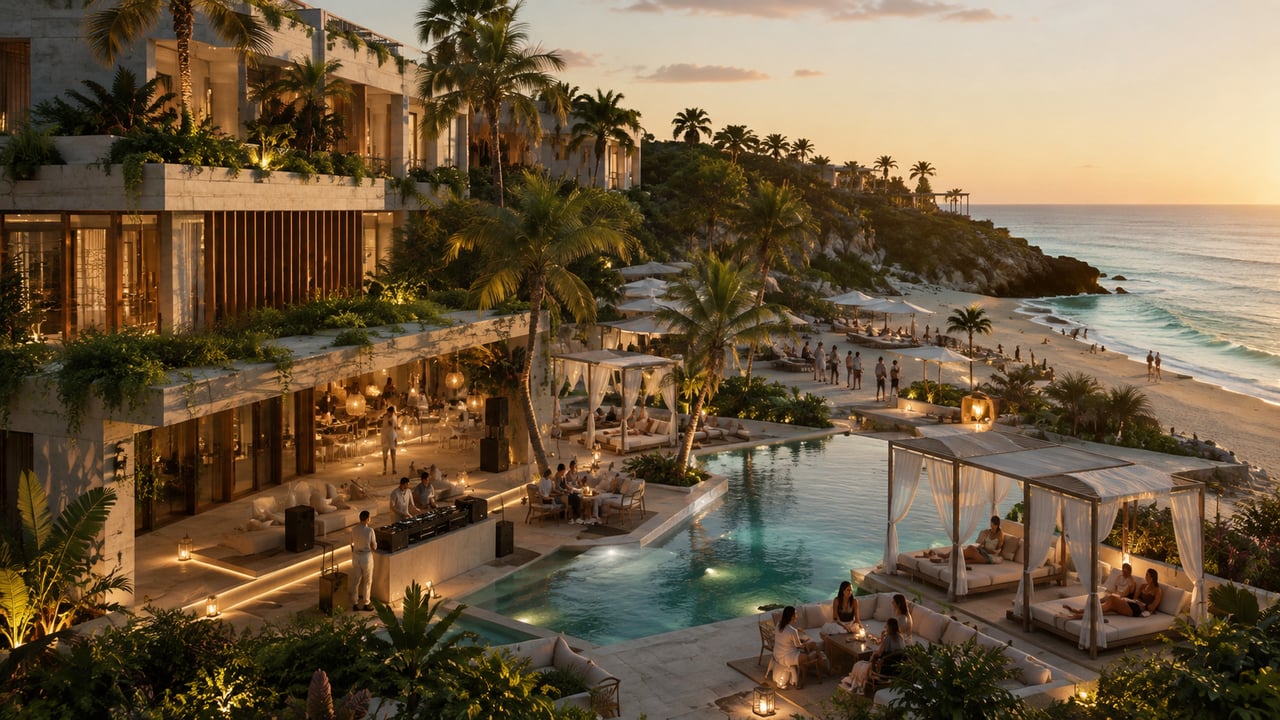
For years, Tulum’s tourism story was told primarily through its coastline: Caribbean water, design-led hotels, beach clubs and an architectural language that became recognizable around the world. That story remains powerful, but it is no longer the only one shaping the destination. South of Tulum, Maya Ka’an is emerging with a very different proposition—one based not on replicating the Riviera Maya’s established model, but on connecting visitors with communities, ecosystems and cultural traditions that already belong to the territory.
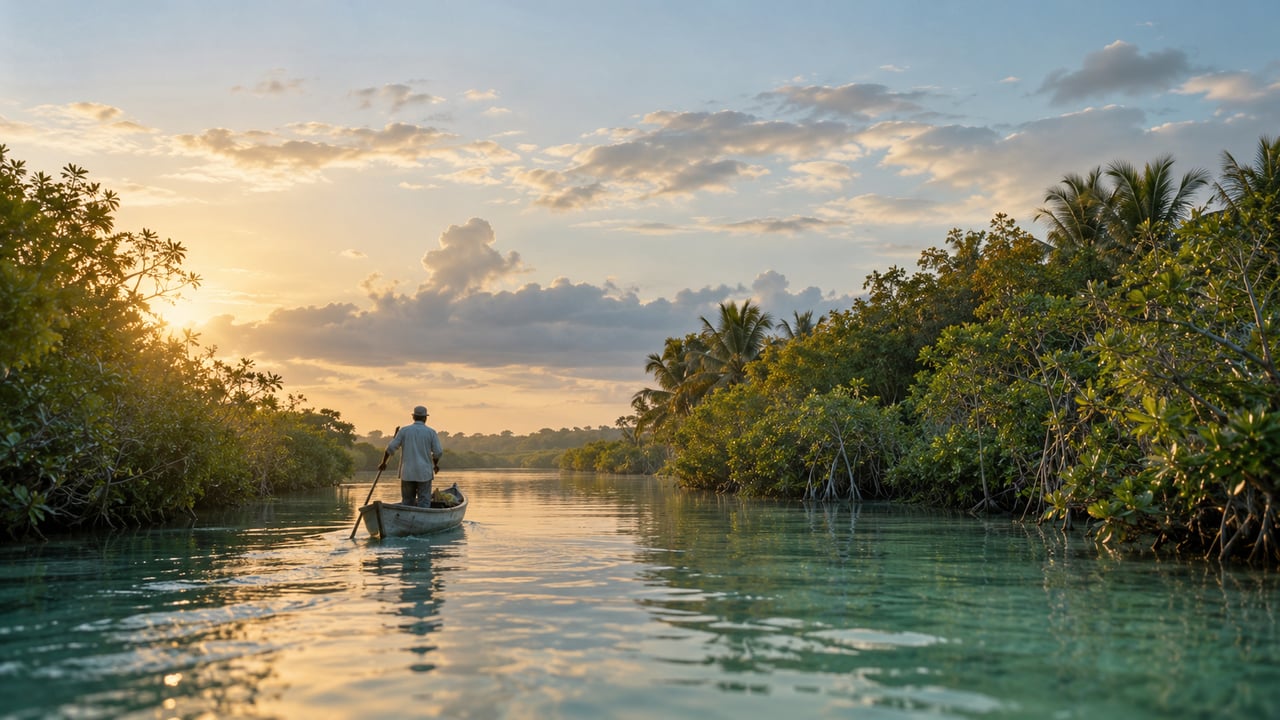
Maya Ka’an spans communities across the municipalities of Felipe Carrillo Puerto, José María Morelos and Tulum. Its experiences include lagoon and canal excursions, birdwatching, traditional cooking, local crafts and visits guided by community cooperatives. In Muyil, for example, travelers can combine the archaeological landscape and the waterways of the Sian Ka’an Biosphere Reserve with food prepared by local families. The emphasis is not simply on seeing a place, but on understanding who cares for it and how tourism can support that stewardship.
The model gained significant institutional recognition in March 2026, when Maya Ka’an was declared Mexico’s first community-tourism destination. State authorities have since presented it internationally as a model for rural and community-based tourism, while eight Maya Ka’an experiences were featured at the 2026 Mundo Maya Tourism Fair. This matters because official recognition can give small-scale experiences greater visibility, improve coordination and make the region more legible to travelers who want culture and nature without the format of conventional mass tourism.
The environmental context is equally important. Sian Ka’an is the largest protected area in the Mexican Caribbean and a UNESCO World Heritage Site, encompassing tropical forests, mangroves, marshes, marine habitat and part of the Mesoamerican Barrier Reef. Its value lies precisely in the fact that it is protected. Any tourism growth around it must therefore be read through conservation, carrying capacity and community benefit—not as an invitation to extend urbanization into sensitive territory.
For Tulum, Maya Ka’an broadens the destination’s emotional and geographic map. A longer stay can now include the beach and contemporary hospitality, but also inland communities, Maya foodways, ancient routes and conservation-led excursions. That creates a richer narrative for visitors who increasingly seek meaningful experiences rather than a checklist of attractions.
The real-estate implication is indirect but relevant. Destinations become more resilient when they offer multiple reasons to visit, return and stay longer. A wider experience economy can strengthen Tulum’s position as a base from which to explore southern Quintana Roo, supporting hospitality, services and residential demand in already suitable, legally developable areas. It can also sharpen buyer conversations: value is not only proximity to the beach, but access to culture, nature, mobility and a broader regional lifestyle.
Maya Ka’an should not be framed as “the next Tulum.” Its strength is that it proposes something else: tourism at a human scale, led by the people who live there. For Tulum, that distinction may be exactly what makes the south its next important story.