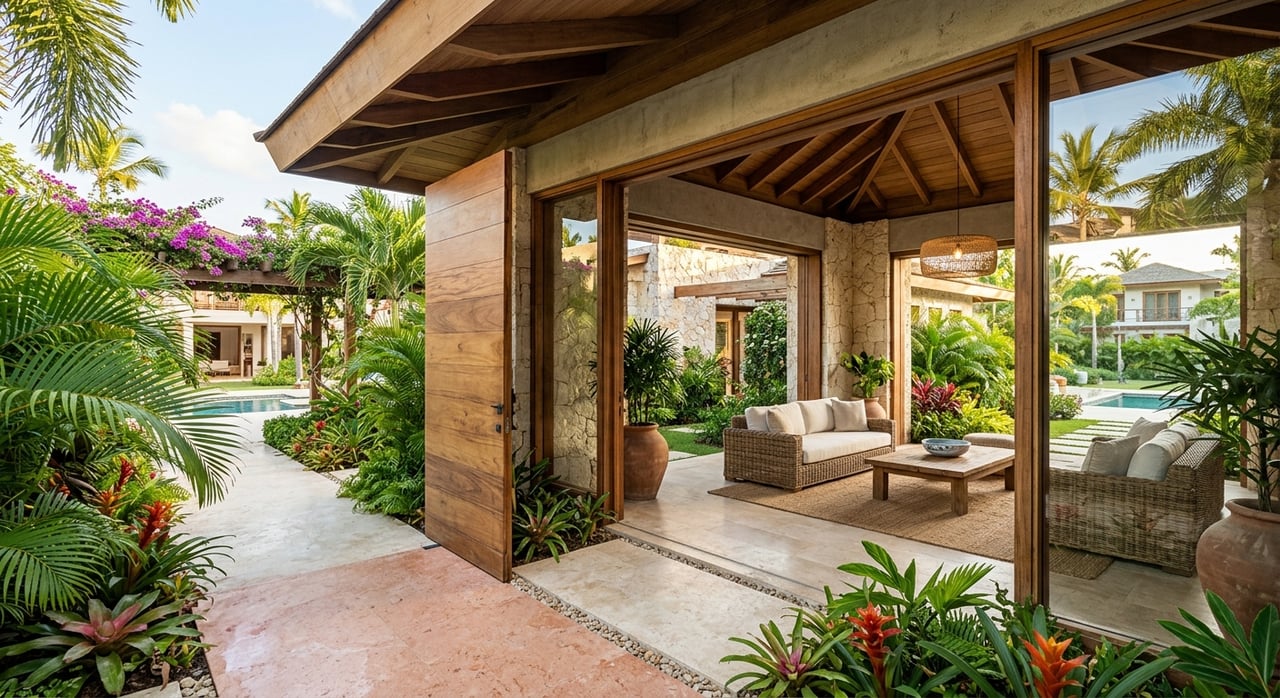
Thinking about buying a pre-construction condo in La Veleta? You are not alone. This part of Tulum draws buyers who want modern design, strong lifestyle appeal, and early access to new inventory, but pre-construction also asks you to slow down and verify the details before you send money. In this guide, you will learn how the process works, what documents matter most, and which questions can help you buy with more clarity and confidence. Let’s dive in.
Why La Veleta Pre-Construction Needs Care
La Veleta is one of Tulum’s fastest-growing areas, and that growth is part of the appeal. At the same time, public infrastructure and municipal maintenance activity have continued in the area, especially around water service and road or streetscape upkeep. That means you should verify utility connection, access, and completion quality at the individual project level instead of assuming every development will perform the same way.
Pre-construction condos are not unusual in Quintana Roo. State condominium law allows a condo regime to be created for new construction and even for a project that is still in development. That legal framework supports pre-sale activity, but it does not replace the need to confirm that the project’s permits, legal structure, and documents are in order.
One of the biggest mistakes buyers make is focusing on renderings and payment plans while overlooking the legal file. In Quintana Roo, the condominium regime is a formal legal act before a notary, and the filing must include items such as the construction or regularization license, unit descriptions, materials, common areas, and indiviso percentages. In simple terms, the legal documentation matters just as much as the brochure.
Understand the Foreign Buyer Structure
If you are a foreign buyer looking at a condo in La Veleta, you will likely be purchasing inside Mexico’s restricted zone. Federal rules limit direct foreign ownership within 100 kilometers of borders and 50 kilometers of the shoreline. In coastal areas like Tulum, residential property is generally acquired through a bank trust called a fideicomiso, where the bank holds title and you hold the beneficial rights.
The permit for that trust comes from Mexico’s Ministry of Foreign Affairs, known as the SRE. According to the SRE process, the application is filed electronically through SIPAC27, and the resolution is issued within five business days after submission. The trust can last up to 50 years and can be renewed.
If you cannot travel to Mexico for signing or closing, a power of attorney may be used. This can be helpful for U.S. and Canadian buyers, but it needs to be drafted carefully with the right scope. Mexican consular guidance also notes that language and marital property rules can affect how the power of attorney should be handled, so coordination matters.
Contract language matters too. Under Mexico’s consumer protection law, bilingual contracts are allowed, but the Spanish version controls if there is any conflict. That is one reason bilingual guidance can be so valuable during a cross-border purchase.
What To Verify Before You Reserve
Before you send a reservation deposit or sign anything, ask for the project file. A pre-construction condo can be a smart purchase, but only when the paperwork supports what is being marketed.
Here are the core items to request and review before committing:
- Construction license or regularization license
- Project plans and technical specifications
- Condominium regime documents
- Proof of title or current registry status
- Profeco-registered contract
- Payment schedule and list of additional closing costs
- Delivery date and escrituración terms
- Confirmation the project is not on any SEDETUS irregular-development warning list
Under the Federal Consumer Protection Law, real estate contracts should disclose the project’s permissions and licenses, technical documentation, payment options, additional costs, cancellation terms, delivery date, and terms for deed transfer. For pre-sale or new construction, the contract should also state that the property will be free of gravámenes at closing.
A particularly important point is timing. The same consumer law says the provider should not receive payment until the relationship is in writing, except for investigation expenses. For you as a buyer, that means you should be cautious with large reservation deposits unless the purpose, structure, and conditions of that payment are clearly documented and reviewed.
Check the Contract, Registry, and Warning Lists
A beautiful sales presentation is not the same thing as a compliant contract. In Mexico, residential real estate contracts are supposed to be registered with Profeco as contracts of adhesion. That gives you a practical checkpoint, because you can verify whether the developer is using a registered contract and avoid language that may be abusive or incomplete.
The Quintana Roo public registry is another important tool. The state’s portal allows users to obtain or validate documents such as a certificate of freedom of gravamen, property certificates, and registral history. This can help you confirm the legal status of the property before and during closing.
You should also check whether the project appears on any state warning list for irregular developments. SEDETUS has publicly warned buyers about developments in Quintana Roo that do not have the proper permits and maintains a consultation tool for this purpose. If a project raises questions at the state level, that is a sign to pause before moving forward.
As another layer of diligence, ask whether the real estate advisor is registered through SEDETUS. Quintana Roo regulates real estate service providers through a matrícula and padrón system. For cross-border buyers, this is a reasonable additional safeguard.
Review the Payment Schedule Closely
Pre-construction payment plans can look attractive because they often spread payments across construction phases. Still, the structure needs to be clear in writing.
Your contract should state the total price, payment schedule, and any extra expenses connected to closing. That can include items related to deed transfer, taxes, appraisal, opening a credit file, or other closing charges. If the seller offers financing or staged payment options, those terms should also be described clearly.
This is where buyers benefit from slowing the process down. You want to understand not only how much is due, but also when it is due, what triggers each payment, what happens if the timeline shifts, and what your cancellation terms are. Clear paperwork protects both your money and your expectations.
Know How Delivery Dates and Warranties Work
Delivery timing is one of the biggest concerns in pre-construction. The law requires the provider to deliver the property on the agreed date and according to the promised specifications. If there is a delay caused by force majeure or another qualifying event, the contract may move to a new delivery date without penalty, but that exception needs to be stated properly.
You should also understand the warranty framework. Mexico’s current consumer law provides important housing warranties counted from actual delivery: 5 years for structural issues, 3 years for waterproofing, and 1 year for other elements. If defects continue after a warranty claim, the law provides repair obligations and, in serious cases, additional remedies.
For buyers in La Veleta, this matters because tropical conditions can put pressure on building systems and finishes. A clear delivery record, defined specifications, and written warranty terms all help you compare projects more intelligently.
Ask About Condo Governance Early
When you buy a condo, you are not only buying your unit. You are also buying into a shared legal and financial structure.
Under Quintana Roo condominium law, the first-year administrator may be designated by the party who grants the condominium deed. After that, the owners’ assembly has authority over budgets, reserve funds, maintenance fees, and management oversight. This means condo governance is not a side issue. It affects your costs, your building operations, and your long-term ownership experience.
Ask these questions before you buy:
- Who is the first administrator?
- Who controls HOA decisions during construction?
- When do owners gain practical control?
- How are maintenance fees and reserve funds set?
- What common areas are promised in the regime documents?
At closing, condo law also requires the seller to provide a no-debt certificate for maintenance and reserve funds, along with the last three CFDIs for maintenance payments, before the notary can complete the sale of a unit. This is especially important in condo buildings, where unpaid common charges can become a problem if they are not checked.
A Simple Step-By-Step Buying Path
If you want a cleaner way to think about the process, use this sequence as your guide.
Step 1: Confirm your goals
Decide what matters most to you. You may be buying for personal use, a second home, or an investment asset. Your timeline, budget structure, and risk tolerance should shape which projects make sense.
Step 2: Review the project file
Before reserving, request the permits, plans, condo documents, contract, registry information, and payment terms. This is where you separate polished marketing from a well-documented opportunity.
Step 3: Verify legal standing
Check the contract registration, property registry status, and any SEDETUS warning-list issues. If anything is unclear, ask questions before money changes hands.
Step 4: Set up the purchase structure
If you are a foreign buyer, confirm the fideicomiso process, SRE permit timing, and who will coordinate the trust and closing steps. If you need remote signing, review the power of attorney carefully.
Step 5: Understand delivery and governance
Review completion standards, delivery dates, warranties, maintenance fees, and owner control of the condo association. This helps you understand what ownership will look like after the handover.
Step 6: Close with clarity
At closing, make sure the notary file, no-debt condo certificates, and final cost disclosures are in place. A smooth close usually comes from strong preparation, not last-minute fixes.
Why Bilingual Guidance Helps in La Veleta
Cross-border purchases involve more moving parts than a local cash deal. You may be coordinating the trust structure, contract review, registry checks, notary steps, and remote signing from another country.
That is where bilingual, on-the-ground coordination can make the process feel more manageable. Because the legally controlling contract language is Spanish, buyers often benefit from having a team that can explain the substance clearly, track the steps locally, and keep communication organized from reservation through closing.
In a market like La Veleta, the biggest risk is usually not pre-construction itself. The bigger risk is buying into a project with incomplete permits, unclear title, weak contract language, uncertain delivery terms, or unanswered governance questions. Careful verification is what turns opportunity into confidence.
If you are exploring pre-construction condos in La Veleta, working with a bilingual advisor who understands cross-border transactions can help you ask better questions and move through the process with more clarity. To start your search with local guidance, connect with E&V Tulum.
FAQs
Can foreigners buy a pre-construction condo in La Veleta?
- Yes. In Tulum’s coastal restricted zone, foreign buyers generally acquire residential property through a bank trust called a fideicomiso rather than taking direct title in their personal name.
What documents should buyers request before reserving a condo in La Veleta?
- Ask for the construction license, project plans and specifications, condominium regime documents, proof of title or registry status, the Profeco-registered contract, payment terms, and confirmation that the project is not listed as irregular by SEDETUS.
Is it safe to pay a reservation deposit on a La Veleta pre-construction condo?
- You should be careful. Consumer protection rules say the relationship should be in writing before payment is accepted, except for investigation expenses, so any reservation payment should be clearly documented and reviewed.
How long does the fideicomiso permit take for foreign buyers in Tulum?
- The SRE states that the trust permit application is filed electronically through SIPAC27 and that a resolution is issued within five business days after submission.
What warranty protections apply to new condos in Mexico?
- Current consumer law provides 5 years for structural issues, 3 years for waterproofing, and 1 year for other elements, counted from actual delivery of the property.
What should buyers ask about condo administration in a La Veleta development?
- Ask who the first administrator is, who controls decisions during construction, when owners gain practical control, how maintenance fees and reserve funds are set, and what common areas are formally included in the condominium documents.